
Para-athletics explained: Classification
18.02.2016In a new series we examine some of the complexities of the sport, starting with the subject of classification.
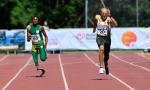
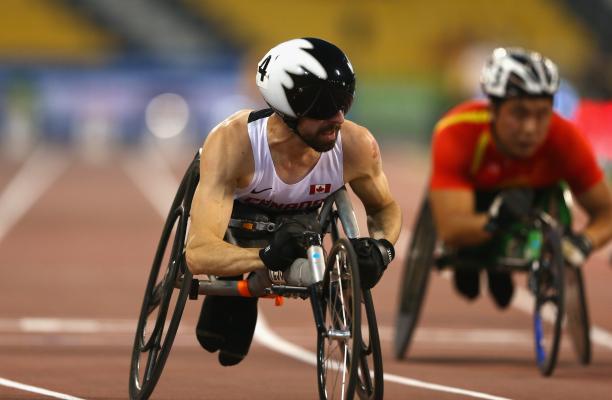 Brent Lakatos of Canada claimed victory in the men's 100m T53 final at the 2015 IPC Athletics World Championships in Doha, Qatar.
© •
Brent Lakatos of Canada claimed victory in the men's 100m T53 final at the 2015 IPC Athletics World Championships in Doha, Qatar.
© •

In a new series starting this month, we will examine the complexities of different aspects of para-athletics – not just on the track.
From anti-doping to running with a guide, find out about the topics at the heart of para-athletics. This week, we start with classification.
What is classification?
Classification provides a structure for competition. Athletes competing in IPC Athletics have an impairment that leads to a competitive disadvantage. Classification determines who is eligible to compete and groups the eligible athletes into sport classes according to the impact of impairment on specific sport activities. The Classification system minimises the impact of impairments on sport performance and ensures the success of an athlete is determined by skill, fitness, power, endurance, tactical ability and mental focus.
When was the athletics classification system introduced?
Athletics is a sport for athletes with a large range of impairments, and historically, each impairment type in the sport had its own classification system. So there was one for athletes with visual impairment, one for amputees and ‘les autres’, one for wheelchair users, one for CP athletes. In 2004, the IPC decided that this all should be merged into one IPC Athletics classification system. In 2006, the IPC ordered a research on the classification system, leading to a revisions being implemented after the London 2012 Paralympic Games.
What does T/F and number mean?
In athletics the sport class consists of a prefix “T” or “F” and a number. The prefix T stands for “track” and F stands for “field.” It indicates for which events the sport class applies, either for track (incl. jumping) or for field events. Athletes with a: visual impairment compete in sport classes from 11 to 13; intellectual impairment compete in sport class 20; co-ordination impairments 31 to 38; short stature 40 and 41; limb deficiencies 42 to 47; wheelchair users 51-57. As a general rule of thumb, a smaller number has a more significant activity limitation.
Who conducts athlete evaluation?
A sport class is allocated through athlete evaluation by a classification panel. IPC Athletics trains and certifies classifiers to conduct athlete evaluation.
Classifiers assessing athletes with the various physical impairments either have a medical background or are technical experts in their sport. Classifiers for athletes with a visual impairment have a background in ophthalmology or optometry. Psychologists and sport experts are responsible for the classification of athletes with an intellectual impairment.
Where does an athlete start?
IPC Athletics attract all impairment types that are approved by the Paralympic Movement. As a first step, an athlete must submit medical diagnostic information to proof the presence of an eligible impairment. This information is verified by Classifiers, after which the athlete presents for athlete evaluation at a competition. An athlete cannot compete until they are given a sport class and sport class status.
In the ideal scenario, an athlete already participates in athlete evaluation at the national level. This will give a very good indication of the final sport class he or she will obtain internationally. Once competing internationally, it is mandatory for them to be seen by an international classification panel (their decision precedes over national decisions). IPC Athletics supports the training of national classifiers worldwide.
How are athletes assessed?
Prior to competition athletes will be met by a classification panel to conduct athlete evaluation. This process will differ by impairment type.
For athletes with a visual impairment, an assessment of visual acuity and visual field will take place. As a result, the athlete will either be found not eligible (in other words, the loss of vision is not severe enough), or the athlete will be allocated one of the three classes depending on the residual visual function.
Athletes with an intellectual impairment they will undergo a physical, technical and observational assessment. These assessments will determine the extent to which the athlete’s intellectual impairment impacts their performance in the specific discipline (running, throwing, jumping).
Also athletes with a physical impairment will undergo a physical, technical and observational assessment, though different in nature. Depending on the type of impairment, there will be muscle, co-ordination or range of movement testing or athlete anthropometrics will be checked. The athlete will also be asked to perform certain standardised sport-specific tasks to determine the extent to which their physical impairment impacts their performance in the specific discipline (running, jumping, throwing). During competition, the athlete may be further observed to confirm the findings from the preceding assessments.
Further detail on each class can be found in the Explanatory Guide to Paralympic Classification.
The classification rules also specify the rights and obligations in case an athlete does not agree with the decision of the classification panel (protest and appeal procedures).
What is sport class status?
In addition to the sport class, a sport class ‘status’ is given to the athlete. This merely identifies the need for the athlete to repeat athlete evaluation at later stage (e.g, progressive or fluctuating impairment) or not (e.g. stable permanent medical condition).
Can we make the system better?
A Classification Advisory Group, made up with senior international classifiers, as well as international experts around the world monitor the medical and scientific developments in the sport. This knowledge feeds into a regular review of the classification system to create an evidence based, sport specific classification system that all athletes can count on and trust. Along this journey, regular athlete and coach consultation is guaranteed.